In recent years, the world has witnessed a fascinating shift in how people perceive ownership, value, and creativity. This shift is fueled by the growing popularity of digital collectibles, a new category of items that exist entirely in virtual form. These collectibles, which range from digital art and trading cards to avatars and virtual merchandise, are redefining what it means to own unique digital items. The rise of virtual assets is transforming consumer behavior, inspiring new investment strategies, and introducing innovative ways for individuals to express identity and creativity online. As technology continues advancing, digital collectibles are becoming a central part of modern digital culture.
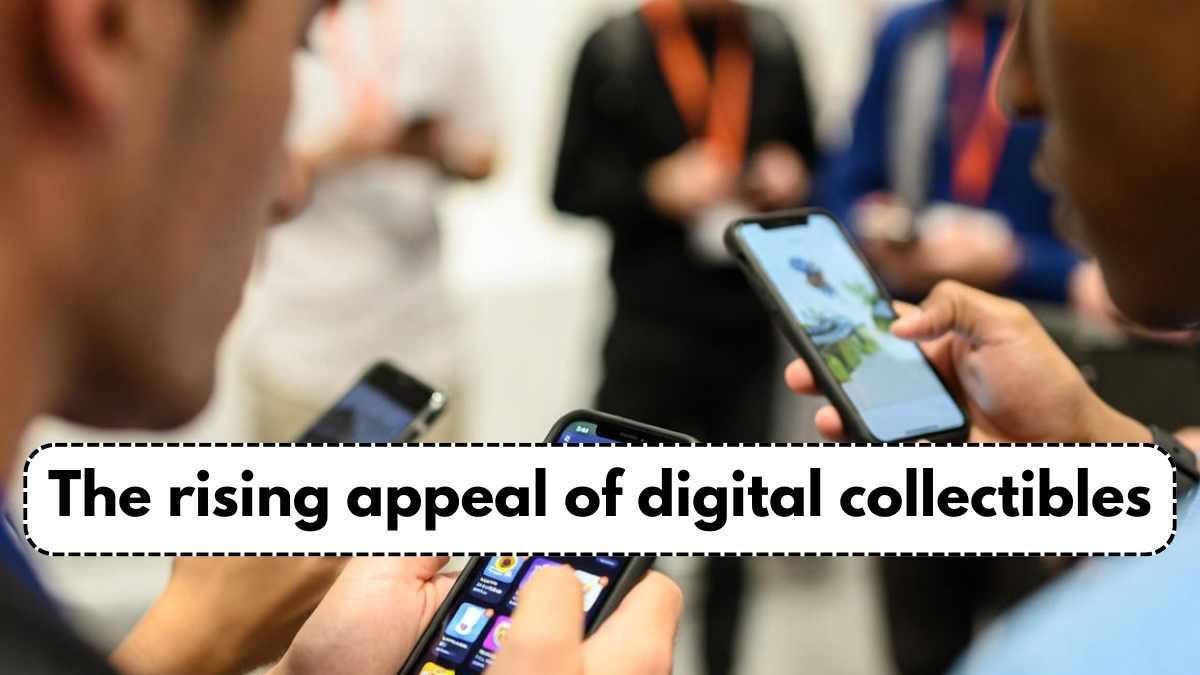
Why digital ownership is becoming increasingly desirable
The appeal of digital collectibles lies in the way they combine personal expression with financial value. Unlike traditional goods, digital items can be displayed across social platforms, integrated into virtual worlds, or used as extensions of personal branding. These virtual assets provide both emotional and practical utility, allowing individuals to build curated collections that reflect their tastes and interests. As more people spend time online, the desire to own and showcase virtual possessions grows stronger.
The concept of scarcity also drives demand. Many digital collectibles are created in limited editions or use blockchain technology to ensure uniqueness. This scarcity increases value and gives collectors a sense of exclusivity. The ability to verify ownership digitally creates trust, which is crucial in virtual markets.
How technology shapes the appeal of virtual assets
Advancements in blockchain, augmented reality, and immersive virtual platforms have accelerated the popularity of digital collectibles. Blockchain ensures secure transactions and verifiable ownership, making virtual goods both collectible and tradeable. This technological foundation gives virtual assets legitimacy, attracting not only casual collectors but also serious investors seeking new opportunities.
Additionally, virtual worlds and gaming platforms have introduced environments where users can interact with their digital items. Avatars, virtual fashion, and 3D collectibles offer new layers of engagement. These interactive experiences make digital ownership more meaningful and enjoyable. People aren’t just buying digital items; they are integrating them into their digital lifestyle.
Comparing the value and uses of different types of digital collectibles
The table below highlights various categories of digital collectibles and explains how they contribute to the growing ecosystem of virtual assets:
| Type of Digital Collectible | Description | Value as Virtual Asset |
|---|---|---|
| Digital Art | Unique illustrations or designs stored digitally | High emotional and investment value |
| Virtual Trading Cards | Digital versions of collectible cards | Strong nostalgia appeal and tradeability |
| Avatar Skins & Fashion | Wearable digital items in virtual worlds | Enhances personal identity expression |
| Music & Audio Files | Exclusive tracks or sound-based collectibles | Appeals to niche collectors and fans |
| Virtual Real Estate | Digital land or properties in online worlds | Offers creative and investment potential |
These categories demonstrate how diverse digital collectibles are, appealing to various interests and lifestyles.
The cultural and psychological reasons behind collecting
Collecting is a deeply human behavior rooted in identity, nostalgia, and personal expression. Digital collectibles tap into these motivations while offering new forms of creativity and interaction. People enjoy building collections that reflect their passions, whether tied to gaming, art, music, or storytelling. The digital format enhances this experience by allowing collectors to access, share, and display their virtual assets instantly.
Psychologically, digital collecting offers a sense of achievement and belonging. Community-driven platforms encourage collectors to interact, trade, and celebrate their finds. This creates a social ecosystem where digital ownership becomes a shared experience. The thrill of discovering rare items or securing exclusive drops fuels ongoing engagement and emotional connection.
The economic impact of digital collectibles
The market for digital collectibles has grown rapidly, with major brands, artists, and creators exploring opportunities in this expanding industry. As virtual assets gain economic relevance, individuals view them not only as personal treasures but also as long-term investments. Resale markets, auctions, and trading platforms provide financial incentives that strengthen the appeal of digital ownership.
This shift has also opened doors for independent creators. Artists who previously struggled to profit from their work can now monetize digital creations directly. Virtual goods offer new revenue streams and allow creators to reach global audiences without traditional limitations.
Conclusion
Digital collectibles have emerged as powerful cultural and economic forces, transforming how people define ownership, creativity, and value in the digital era. The growing significance of virtual assets reflects a broader shift toward virtual lifestyles and online identity building. As technology evolves and virtual environments expand, digital collectibles will continue gaining influence, redefining the future of collecting and self-expression. Their rise signals a new era where digital ownership becomes as meaningful—and sometimes more meaningful—than physical possessions.
FAQs
What makes digital collectibles valuable?
Digital collectibles gain value through scarcity, uniqueness, and verifiable ownership, often supported by blockchain technology.
Are virtual assets real assets?
Yes, virtual assets hold real-world value and can be bought, sold, and traded much like physical items.
Why are people drawn to digital collectibles?
They provide emotional expression, investment potential, community engagement, and identity-building opportunities.
Can digital collectibles appreciate in value?
Absolutely. Many digital collectibles increase in value over time due to limited supply and rising demand.
Are digital collectibles only for tech-savvy users?
No. Anyone can engage with digital collectibles, as platforms are becoming increasingly user-friendly.
Click here to know more.