In a world filled with constant traffic, crowded airports, and ever-present digital distractions, travelers are increasingly seeking experiences that offer peace, reflection, and stillness. This shift has contributed to the rising popularity of low noise travel, a movement that prioritizes quiet environments, slow pacing, and thoughtful exploration. As people look for ways to escape overstimulation and reconnect with themselves, the principles of mindful travel have gained strong momentum. Instead of chasing fast itineraries or loud tourist hotspots, more travelers now prefer calm destinations, intentional movement, and sensory simplicity. Low noise travel is not just a trend—it is a response to the psychological overload of modern life.
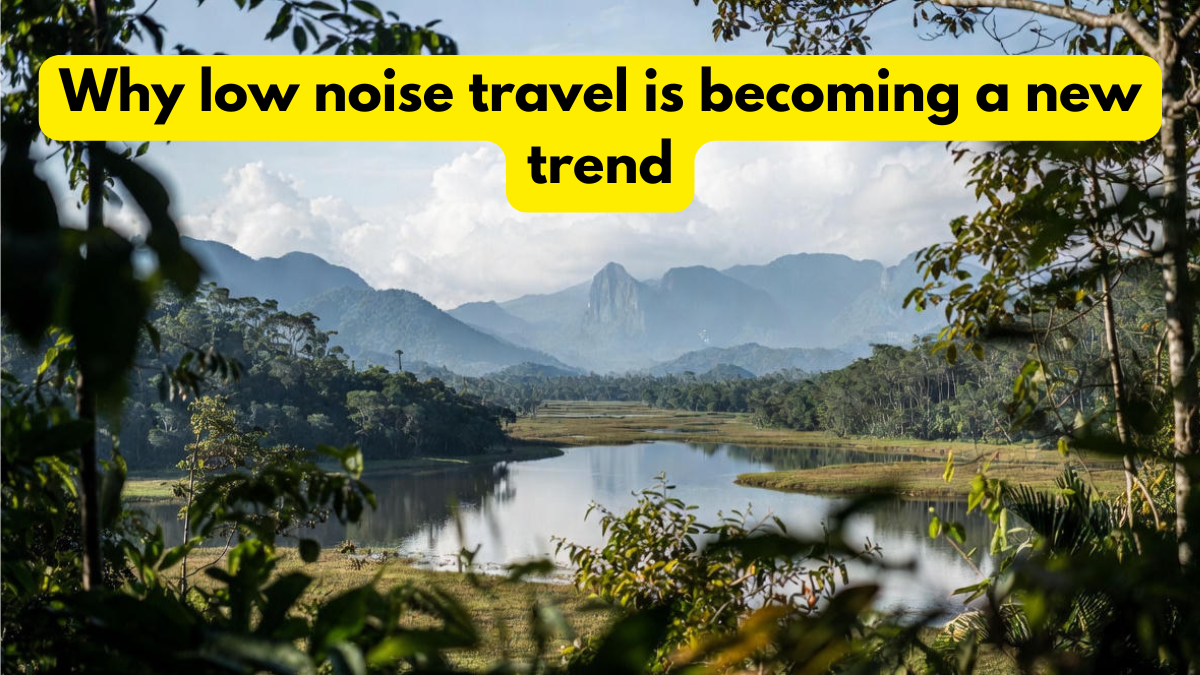
Why the world is craving quieter travel experiences
The demand for low noise travel stems from growing awareness of how environmental noise affects mental health. Constant exposure to noise pollution can increase stress, disrupt sleep, and reduce overall clarity. As travelers become more mindful of their emotional needs, they gravitate toward experiences that support calmness and restoration. This is where mindful travel plays a transformative role. By choosing quieter routes, off-peak times, natural environments, and slower transportation methods, travelers create space for introspection, mental rest, and emotional reset.
Another major influence is burnout. With work, technology, and responsibilities stretching people thin, loud and chaotic vacations no longer feel rejuvenating. Travelers want trips that restore rather than exhaust them. Low noise travel offers exactly that—a chance to breathe, disconnect from overstimulation, and enjoy the world at a gentler pace.
The psychology behind low noise and mindful travel
Quiet environments activate a state of relaxation in the brain, lowering cortisol levels and enhancing emotional stability. This is why low noise travel helps people feel mentally refreshed even after short trips. When individuals experience silence or gentle soundscapes—rustling leaves, ocean tides, or soft winds—their attention naturally shifts inward. This experience aligns perfectly with the goals of mindful travel, which encourages awareness, presence, and intentionality.
Noise-free environments also awaken the senses. Without overwhelming sound distractions, travelers become more observant of colors, textures, scents, and subtle movements around them. This heightened sensory awareness enriches the travel experience, turning simple moments into meaningful memories. Many travelers report that quiet trips help them feel more grounded, more grateful, and more connected to their surroundings.
Comparing types of low noise travel experiences
Below is a table that compares different types of low noise travel and how they support deeper forms of mindful travel:
| Type of Low Noise Travel | Description | Mindful Travel Benefit |
|---|---|---|
| Nature-Based Travel | Forests, mountains, lakes, rural areas | Enhances calmness and sensory awareness |
| Silent Retreats | Meditation centers, wellness lodges | Encourages deep reflection and inner clarity |
| Slow Travel | Walking tours, cycling routes, scenic trains | Supports presence and intentional exploration |
| Off-Season Travel | Visiting destinations during quieter periods | Reduces stress and increases meaningful engagement |
| Minimalist Travel | Carrying fewer items, simple itineraries | Promotes focus and mindful decision-making |
These approaches highlight how low noise travel can be tailored to different personalities and goals.
How low noise travel transforms modern tourism
One of the biggest impacts of low noise travel is its ability to reshape tourism into a calmer, more sustainable practice. Rather than rushing through attractions, travelers spend more time absorbing their surroundings. This reduces overcrowding, lowers environmental disruption, and encourages respectful interactions with local culture and nature. When travelers embrace mindful travel, they not only enhance their personal well-being but also contribute to more harmonious travel ecosystems.
Additionally, hospitality industries are adapting to this trend. Many hotels, retreats, and transportation services now offer quiet zones, noise-free rooms, sound-reducing architecture, and meditative spaces designed to support low noise experiences. Destinations that once focused on entertainment and excitement are now promoting wellness, minimalism, and tranquility. This shift indicates that quiet tourism will continue shaping the future of travel.
Why low noise travel will continue growing
The appeal of low noise travel reflects a deeper cultural change. People are prioritizing mental health, emotional balance, and intentional living more than ever before. As mindfulness practices become mainstream, the desire for mindful travel grows stronger. Travelers want journeys that help them disconnect from digital overwhelm, reconnect with nature, and rediscover inner peace.
Another reason this trend will continue is accessibility. Low noise experiences do not require expensive resorts or elaborate planning. A quiet hike, a peaceful train ride, or a simple cabin stay can all provide meaningful restorative benefits. As individuals become more aware of their stress levels and sensory needs, quiet travel will increasingly become a preferred escape.
Conclusion
Low noise travel represents a refreshing shift in modern tourism—one that values calmness, presence, and emotional well-being. By aligning with the principles of mindful travel, it allows individuals to step away from the noise of everyday life and immerse themselves in peaceful, restorative experiences. Whether through nature retreats, slow travel, or simple quiet moments, low noise travel offers a path to deeper connection and lasting clarity. As the world becomes louder and more demanding, choosing stillness may become one of the most meaningful travel choices a person can make.
FAQs
Why is low noise travel becoming popular?
Low noise travel is rising in popularity because people are looking for calming, restorative experiences that reduce stress and support mindful travel.
How does mindful travel connect to low noise travel?
Mindful travel encourages presence and awareness, while low noise environments make it easier to achieve these states.
What types of trips qualify as low noise travel?
Nature trips, silent retreats, slow travel routes, minimalist itineraries, and off-season visits all fit into low noise travel.
Can low noise travel improve mental health?
Yes. Quiet environments reduce stress, promote relaxation, and support emotional clarity.
Do I need to travel far for a low noise experience?
Not at all. Even nearby parks, quiet towns, or peaceful cabins can offer meaningful low noise travel moments.
Click here to know more.