The rise of car-free micro cities is transforming the future of urban planning and environmental design. As cities face growing challenges like pollution, congestion, and limited public space, planners are turning to innovative models that support cleaner, healthier lifestyles. These compact, walkable communities eliminate the need for private cars, relying instead on pedestrian-friendly pathways, cycling lanes, shared mobility systems, and efficient public transportation. This new urban blueprint aligns perfectly with the global movement toward sustainable living, emphasizing environmental preservation, reduced carbon emissions, and improved quality of life. As more regions experiment with car-free micro cities, the world is witnessing a bold shift in how cities are built and experienced.
Why Car-Free Micro Cities Are Gaining Popularity
The increasing popularity of car-free micro cities is driven by a desire for healthier, greener, and more connected communities. Traditional cities often struggle with traffic noise, air pollution, and insufficient green spaces. By removing cars from the equation, micro cities open space for parks, communal areas, and pedestrian zones. This shift supports sustainable living by reducing reliance on fossil fuels, lowering greenhouse gas emissions, and encouraging more active lifestyles. With more people seeking walkability, convenience, and a stronger sense of community, car-free micro cities have become an attractive solution for future urban development.
Key Features That Make Car-Free Micro Cities Effective
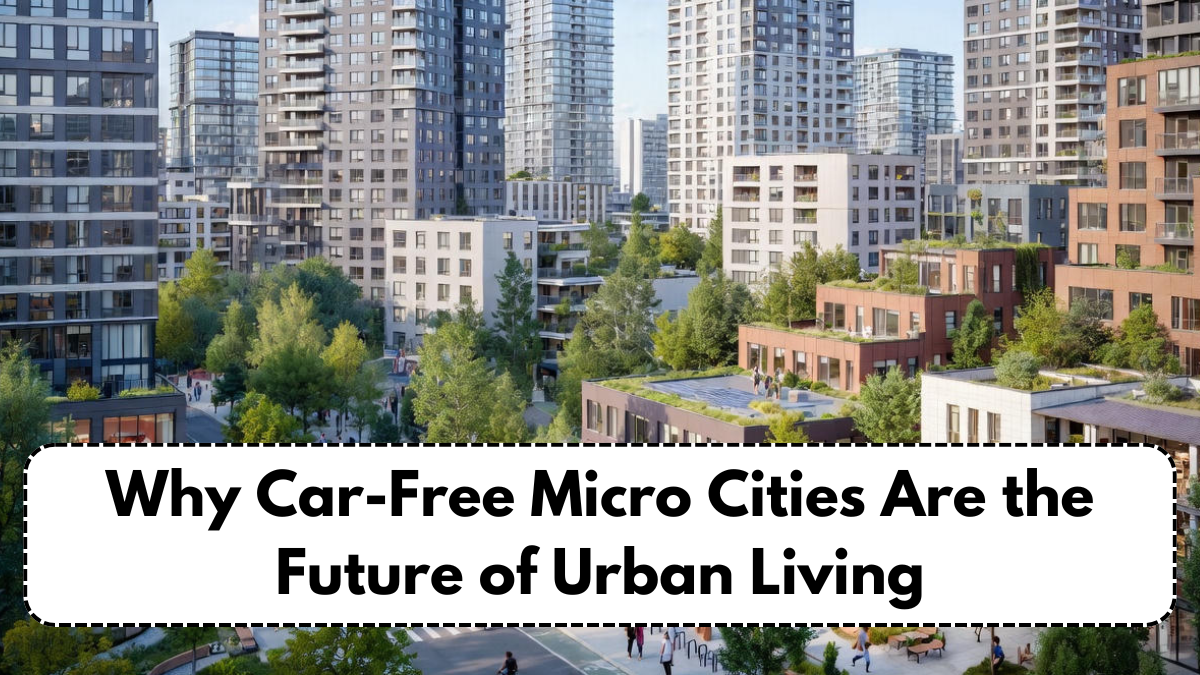
Modern car-free micro cities are designed with innovation and practicality at their core. They incorporate smart infrastructure, renewable energy sources, integrated public transportation, and mixed-use buildings that keep daily necessities within short walking distances. These cities prioritize people over vehicles, promoting healthier and more environmentally conscious communities. Their design strongly supports sustainable living, offering energy-efficient buildings, green rooftops, and tech-enabled waste management systems. Residents benefit from cleaner air, quieter streets, and increased access to nature—all essential features of thriving, modern urban environments.
Below is a comparison that highlights how car-free micro cities differ from traditional urban layouts, especially in relation to sustainable living:
| Feature | Traditional Cities | Car-Free Micro Cities |
|---|---|---|
| Transportation | Car-dependent | Walkable and transit-based |
| Pollution Levels | High | Low, supporting sustainable living |
| Public Space Availability | Limited | Abundant parks and communal areas |
| Noise Levels | High due to traffic | Minimal noise |
| Sustainability | Moderate | Strong emphasis on sustainable living |
This comparison clearly shows why car-free micro cities are emerging as a promising model for eco-friendly urban planning.
How Car-Free Micro Cities Improve Quality of Life
One of the most significant benefits of car-free micro cities is the enhanced quality of life they offer residents. Without heavy traffic and constant noise, these communities create calm, comfortable environments that encourage social interaction and outdoor activity. The focus on walking and cycling promotes physical health, while the abundance of green spaces supports mental well-being. These features align perfectly with the values of sustainable living, where human health and environmental health are closely connected. Additionally, micro cities often include local markets, co-working spaces, and community centers, fostering stronger social ties and more inclusive communities.
The Role of Technology in Car-Free Micro Cities
Technology plays a central role in the development and success of car-free micro cities. Smart sensors help manage energy distribution, optimize water use, and track air quality. Renewable energy systems, such as rooftop solar panels, support sustainable living by providing clean power. Mobility within these cities is supported by electric shuttles, autonomous pods, bike-sharing platforms, and AI-controlled traffic systems for service vehicles. These innovations create efficient, connected environments where sustainability and convenience go hand in hand. The integration of technology ensures that car-free micro cities remain functional, accessible, and future-ready.
Why Car-Free Micro Cities Are a Model for Sustainable Living
The concept of sustainable living lies at the heart of car-free micro city development. These communities reduce environmental impact by lowering emissions, minimizing land use, and conserving energy. Their walkable layouts encourage residents to adopt eco-friendly habits, from cycling to local shopping. By focusing on mixed-use zoning, micro cities reduce the need for long commutes, supporting a more sustainable work-life balance. Through efficient waste management, water recycling systems, and renewable energy sources, car-free micro cities prove that eco-conscious living can be both practical and appealing.
The Future of Car-Free Micro Cities
As global populations grow and environmental concerns intensify, car-free micro cities will play an increasingly important role in urban planning. Future designs may incorporate AI-driven transportation, automated vertical farms, climate-adaptive architecture, and even more advanced waste-to-energy systems. These innovations will make sustainable living even more achievable and widespread. Governments and developers worldwide are already exploring micro city models as long-term solutions for reducing carbon footprints and enhancing public health. As this trend grows, it will redefine what urban life looks like in decades to come.
Conclusion
The rise of car-free micro cities represents a bold and transformative step toward greener, healthier, and more resilient communities. By eliminating car dependency and prioritizing people-centered design, these cities offer a blueprint for the future of urban living. Their strong alignment with sustainable living ensures long-term environmental benefits, improved quality of life, and more connected neighborhoods. As technology advances and global interest in sustainability grows, car-free micro cities will continue to shape the future landscape of modern cities, creating spaces that are both innovative and environmentally responsible.
FAQs
What makes car-free micro cities different from traditional cities?
Car-free micro cities eliminate private vehicle use and promote walkability, supporting cleaner and more sustainable living environments.
Are car-free micro cities practical for families?
Yes, car-free micro cities offer safe walkways, parks, and community spaces ideal for families seeking sustainable living.
How do residents travel within a car-free micro city?
Most car-free micro cities use electric shuttles, cycling lanes, and walking paths, fully supporting sustainable living habits.
Can car-free micro cities reduce pollution?
Absolutely. By removing cars, car-free micro cities significantly cut emissions and improve air quality, enhancing sustainable living.
Will car-free micro cities become more common in the future?
Yes, with growing interest in sustainable living, more regions are expected to adopt the car-free micro cities model.
Click here to know more.