As the world searches for environmentally responsible building materials, bamboo construction has emerged as a leading solution for modern architecture. Once considered a traditional material used mainly in rural regions, bamboo is now celebrated globally for its strength, sustainability, and design versatility. With climate concerns rising, architects and builders are adopting bamboo to create structures that are both beautiful and eco-conscious. This shift highlights the growing demand for sustainable housing, where renewable materials and energy-efficient designs play a central role. Today, bamboo is proving that eco-friendly homes can also be durable, stylish, and accessible.
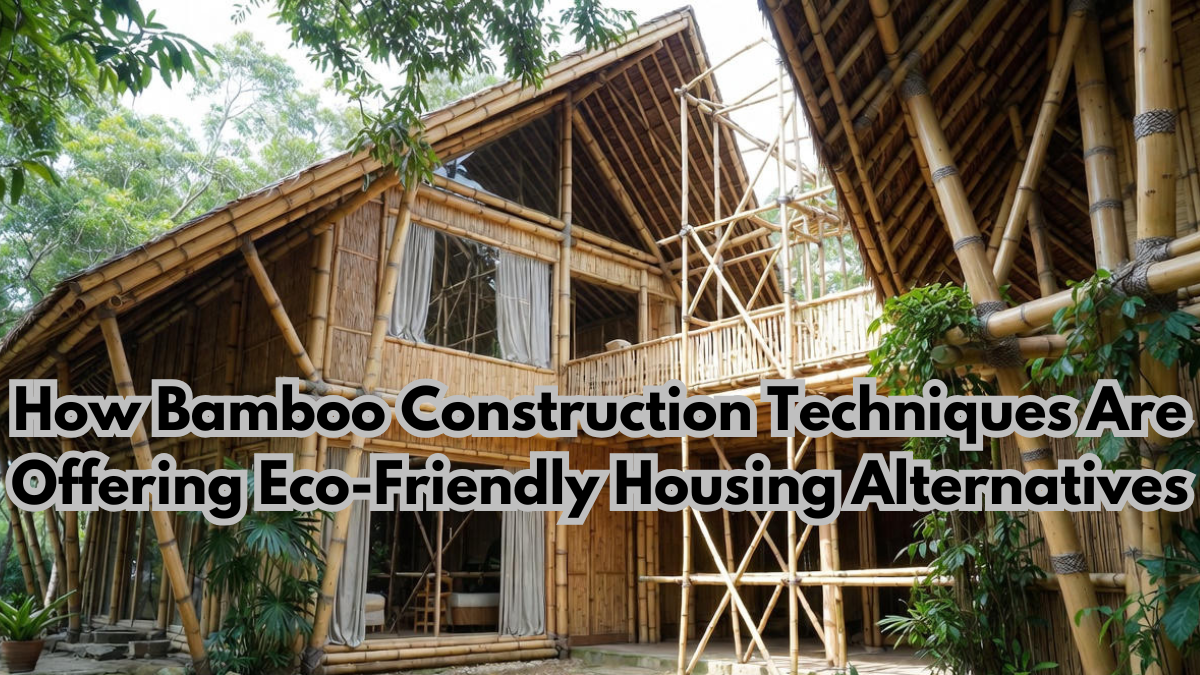
Why Bamboo Is an Ideal Material for Sustainable Housing
Bamboo grows incredibly fast—some species can grow up to three feet per day—making it one of the most renewable natural resources available. This rapid growth cycle makes bamboo construction an environmentally friendly choice compared to traditional materials like steel or concrete, which require energy-intensive processing.
Bamboo’s strength-to-weight ratio is exceptionally high, often compared to hardwood or steel. This makes it ideal for sustainable housing, where both durability and reduced environmental impact are important. The material is also lightweight, flexible, and capable of withstanding strong winds and earthquakes, making it especially beneficial in regions prone to natural disasters.
Environmental Benefits of Bamboo-Based Construction
Beyond its physical advantages, bamboo offers numerous environmental benefits. It naturally absorbs more carbon dioxide than most trees and releases significant amounts of oxygen into the atmosphere. This helps reduce greenhouse gases and contributes to a healthier environment.
Using bamboo construction reduces deforestation since bamboo regenerates quickly without replanting. This aligns perfectly with the global goal of expanding sustainable housing solutions. Bamboo also grows without the need for pesticides or chemical fertilizers, reducing soil and water pollution. Its natural resistance to pests further enhances its value as a long-lasting building material.
Applications of Bamboo in Modern Sustainable Architecture
Architects worldwide are exploring innovative ways to incorporate bamboo into building projects. The table below illustrates common applications of bamboo construction and how they contribute to sustainable housing:
| Bamboo Application | Description | Contribution to Sustainable Housing |
|---|---|---|
| Structural Beams | Used as primary support elements | Provides strength while reducing carbon footprint |
| Wall Panels | Bamboo woven or laminated panels | Offers insulation and natural aesthetics |
| Flooring | Durable bamboo planks | Eco-friendly alternative to hardwood flooring |
| Roofing Materials | Curved or layered bamboo structures | Enhances ventilation and reduces heat absorption |
| Prefabricated Homes | Modular bamboo units | Affordable, quick-to-build, and energy efficient |
These applications showcase bamboo’s versatility and highlight why it is revolutionizing sustainable construction practices worldwide.
The Role of Bamboo in Affordable and Resilient Housing
One of the greatest advantages of bamboo construction is its affordability. Producing bamboo materials requires far less energy than manufacturing concrete or steel, making bamboo an economical option for developing communities. This affordability supports global efforts to provide accessible sustainable housing solutions in both rural and urban areas.
Bamboo structures are not only cost-effective but also highly resilient. Their natural flexibility allows them to withstand earthquakes and strong winds better than many conventional materials. This makes bamboo construction particularly valuable in regions vulnerable to climate-related disasters, where resilient housing is essential.
Artistic and Cultural Value of Bamboo Architecture
In addition to its practical benefits, bamboo has deep cultural significance in many parts of the world. Traditional Asian, African, and South American architecture often incorporates bamboo as a symbol of harmony, resilience, and natural beauty. Modern architects draw inspiration from these traditions to create contemporary bamboo structures that blend cultural heritage with innovative design.
By integrating traditional craftsmanship with modern engineering, bamboo construction elevates sustainable housing into an art form. Homes made from bamboo often feature organic shapes, open-air layouts, and intricate designs that celebrate nature while meeting modern living standards.
Conclusion
Bamboo construction is transforming the future of eco-friendly architecture by offering durable, renewable, and aesthetically inspiring alternatives to conventional building materials. As the demand for sustainable housing continues to rise, bamboo stands out as a versatile resource capable of addressing environmental challenges while supporting cultural and architectural innovation. Its rapid growth, strength, and adaptability make it a cornerstone of green construction practices. By embracing bamboo, communities around the world move closer to a sustainable future that balances human needs with the well-being of the planet.
FAQs
Why is bamboo used in sustainable housing?
Because bamboo is renewable, strong, and environmentally friendly, making it ideal for sustainable housing projects.
Is bamboo strong enough for building structures?
Yes, bamboo construction offers excellent strength and flexibility comparable to steel and hardwood.
Can bamboo homes withstand natural disasters?
Many bamboo structures are resistant to earthquakes and strong winds due to their natural flexibility.
Are bamboo buildings affordable?
Yes, bamboo is cost-effective to produce and build with, making it accessible for sustainable housing initiatives.
Does bamboo require chemicals to grow?
No, bamboo typically grows without pesticides or fertilizers, enhancing its role in bamboo construction.
Click here to know more.