Public spaces wellbeing has become a central focus for city planners, designers, and policymakers as urban living intensifies worldwide. With more people spending time in dense cities, the quality of shared environments has a direct impact on daily life, stress levels, and community connection. Traditional approaches to parks, plazas, and streets prioritized efficiency and movement, but today there is growing recognition that urban design plays a powerful role in supporting mental health. By rethinking architecture and how public environments are shaped, cities are redesigning public spaces to promote calm, inclusion, and emotional balance.
The Link Between Public Spaces And Mental Health
Research increasingly shows a strong connection between public spaces wellbeing and mental health outcomes. Access to welcoming, well-designed outdoor and communal spaces can reduce anxiety, encourage social interaction, and provide relief from the pressures of city life. When people have places to pause, reflect, or connect with others, overall emotional resilience improves.
Poorly designed environments, by contrast, can contribute to stress and isolation. Overcrowding, noise, and lack of greenery negatively affect mental health, especially for vulnerable populations. This understanding has pushed planners to consider psychological impacts as a core element of urban design, positioning public spaces wellbeing as a public health priority rather than a secondary benefit.
Urban Design Principles Supporting Wellbeing
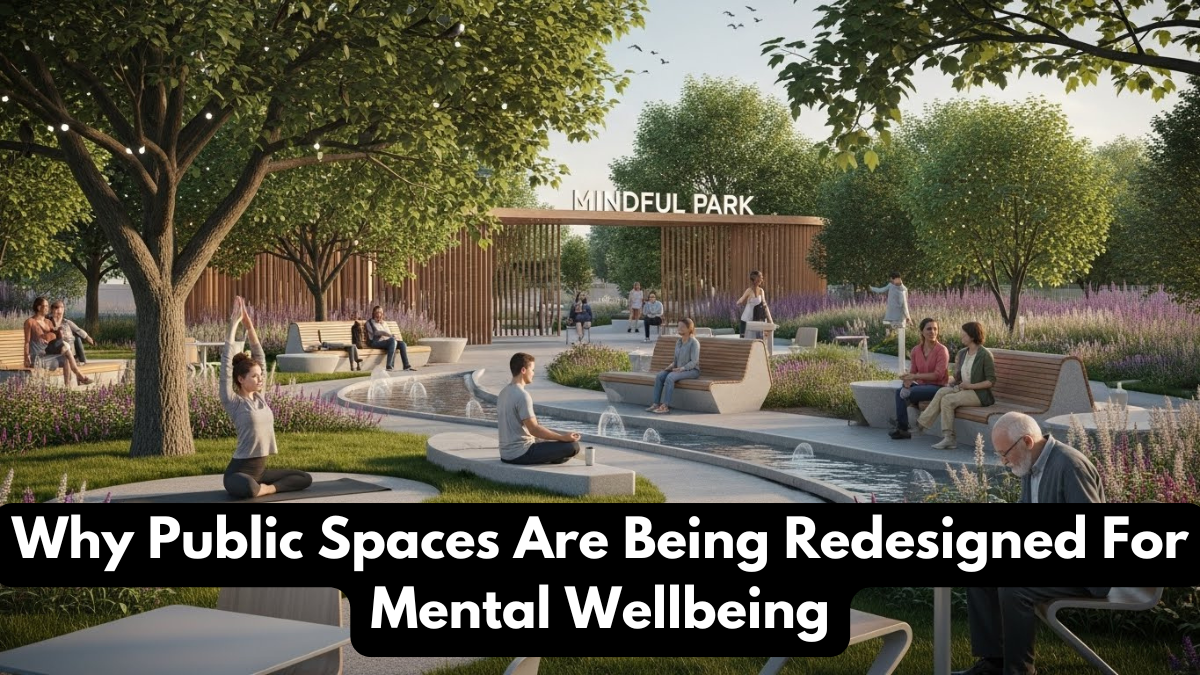
Modern urban design increasingly integrates principles that prioritize public spaces wellbeing. Natural elements such as trees, water features, and open green areas are intentionally incorporated to create restorative environments. These features encourage physical activity and provide visual relief, both of which support mental health.
Walkability is another critical component. Streets designed for pedestrians rather than vehicles foster a sense of safety and belonging. Seating areas, shaded walkways, and accessible layouts invite people to spend time outdoors. By aligning urban design with human-scale needs, cities create environments where public spaces wellbeing becomes part of everyday experience.
Architecture And Human-Centered Public Spaces
The role of architecture in shaping public spaces wellbeing extends beyond aesthetics. Human-centered architecture considers how scale, light, materials, and acoustics influence mood and behavior. Buildings that open toward public areas, incorporate natural light, and provide transitional spaces encourage social engagement and comfort.
Designers now collaborate with psychologists and public health experts to ensure that architecture supports emotional wellbeing. Flexible spaces that accommodate gatherings, quiet reflection, or cultural expression allow diverse communities to feel represented. This inclusive approach strengthens social bonds and reinforces the mental health benefits of thoughtfully designed public spaces.
Redesigning Cities For Inclusion And Connection
A key goal of redesigning public environments is inclusivity. public spaces wellbeing depends on accessibility for people of all ages, abilities, and backgrounds. Inclusive urban design removes physical and social barriers, ensuring that everyone can benefit from shared spaces. Features such as ramps, clear signage, and multipurpose areas promote equal participation.
Social connection is equally important. Public spaces designed to encourage interaction help combat loneliness, a growing concern for mental health in urban settings. Markets, community gardens, and interactive installations foster spontaneous encounters. When architecture and urban design support these interactions, public spaces become anchors of community wellbeing.
Environmental Factors And Sensory Experience
Sensory experience plays a major role in public spaces wellbeing. Noise levels, lighting, and visual complexity influence how people feel in shared environments. Excessive noise and harsh lighting can increase stress, while balanced sensory input supports relaxation and focus. Designers now use sound-absorbing materials, softer lighting, and natural textures to enhance comfort.
The integration of nature is particularly impactful. Exposure to greenery and natural patterns has been shown to improve mental health by reducing stress hormones. By weaving these elements into urban design and architecture, cities create calming environments that counterbalance urban intensity and support emotional wellbeing.
Economic And Social Benefits Of Wellbeing-Oriented Design
Investing in public spaces wellbeing delivers long-term economic and social benefits. Healthier communities reduce pressure on healthcare systems and improve productivity. Attractive public spaces increase property values and encourage local business activity, creating positive economic cycles.
From a social perspective, spaces designed for wellbeing promote civic pride and participation. People are more likely to care for and protect environments that support their quality of life. As urban design and architecture increasingly prioritize mental health, cities become more resilient, connected, and livable.
Key Features Of Wellbeing-Focused Public Spaces
- Integration of nature to support mental health
- Human-scale urban design promoting comfort and safety
- Inclusive architecture accessible to all users
- Flexible spaces encouraging social interaction
- Sensory balance enhancing public spaces wellbeing
Table: Traditional Public Spaces vs Wellbeing-Oriented Public Spaces
| Aspect | Traditional Public Spaces | Wellbeing-Oriented Public Spaces |
|---|---|---|
| Design Focus | Function and movement | Public spaces wellbeing |
| Urban Design | Vehicle-centered | Pedestrian-focused |
| Architecture | Monumental scale | Human-centered scale |
| Mental Health Impact | Often overlooked | Actively supported |
| Social Interaction | Limited | Encouraged and inclusive |
Challenges In Redesigning Public Spaces
Despite growing momentum, redesigning cities for public spaces wellbeing presents challenges. Budget constraints, competing land uses, and legacy infrastructure can limit options. Retrofitting existing environments requires creativity and collaboration across disciplines.
Community engagement is essential to success. Designs that ignore local needs may fail to deliver intended benefits. By involving residents in planning processes, cities ensure that urban design and architecture reflect lived experiences and support genuine mental health outcomes.
The Future Of Public Spaces And Wellbeing
Looking ahead, the emphasis on public spaces wellbeing is expected to grow as cities respond to climate change, population density, and evolving social needs. Adaptive design strategies that prioritize flexibility and resilience will become increasingly important. Digital tools and data analysis will also support evidence-based planning.
Ultimately, cities that value wellbeing create environments where people can thrive emotionally and socially. By aligning urban design, architecture, and mental health goals, public spaces can serve as powerful tools for improving quality of life in an increasingly urban world.
Conclusion
The redesign of public spaces reflects a broader recognition that public spaces wellbeing is essential to healthy, livable cities. Through thoughtful urban design, inclusive architecture, and a focus on mental health, shared environments are being transformed into places of restoration and connection. As cities continue to evolve, prioritizing wellbeing in public spaces will remain a key strategy for building resilient, compassionate, and thriving urban communities.
FAQs
What is public spaces wellbeing?
public spaces wellbeing refers to how shared environments support emotional, social, and psychological health.
How does urban design affect mental health?
Urban design influences stress levels, safety, and social interaction, all of which impact mental health.
Why is architecture important in public spaces?
Architecture shapes sensory experience, accessibility, and comfort in shared environments.
Can public spaces reduce stress?
Yes, well-designed public spaces support relaxation and improve mental health.
Are wellbeing-focused public spaces expensive to build?
While initial costs may vary, long-term social and economic benefits often outweigh investment costs.
Click here to know more.