Urban foraging is gaining renewed attention as cities rethink food systems, environmental responsibility, and human relationships with nature. As urban populations grow and concerns about climate impact, food waste, and supply chain vulnerability increase, urban foraging offers a grassroots response rooted in local knowledge and ecological awareness. This practice involves identifying and harvesting edible plants, fruits, and herbs growing naturally within cities, often in parks, sidewalks, and neglected green spaces.
What sets urban foraging apart from traditional food sourcing is its emphasis on reconnecting people with city ecosystems. Instead of viewing urban nature as decorative or incidental, foraging recognizes cities as living environments capable of producing wild food. For sustainability advocates, this perspective aligns with broader efforts to build resilient, low-impact food systems that work within existing urban landscapes.
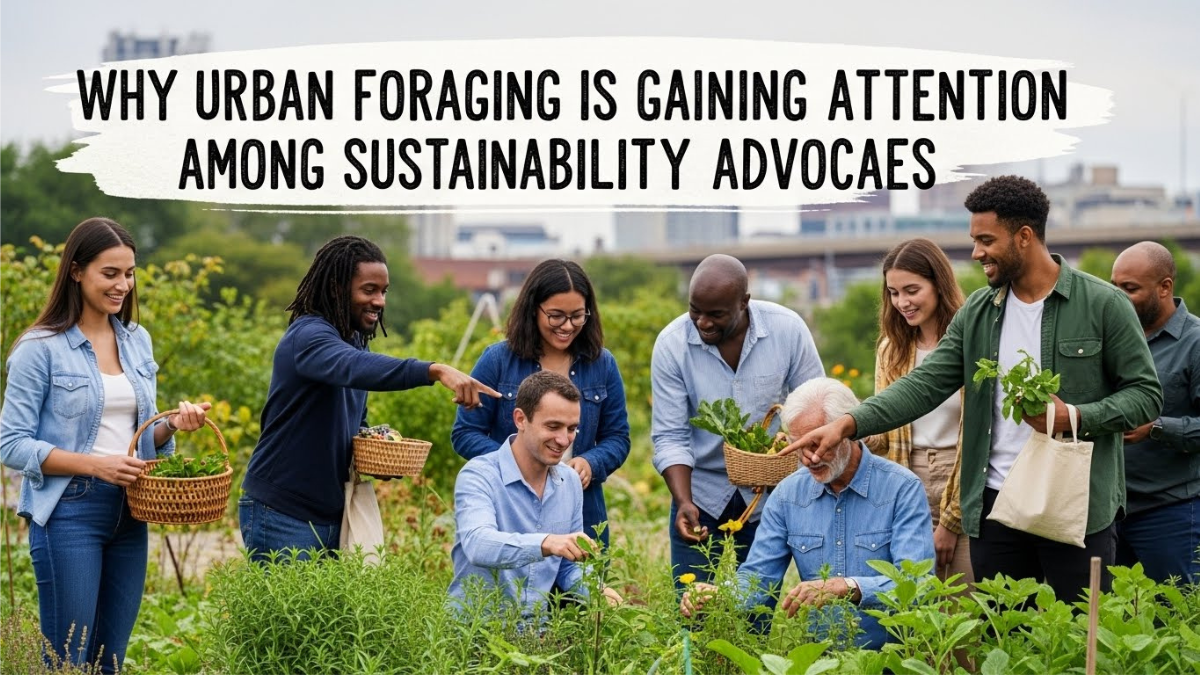
Wild food and the rediscovery of local abundance
A major driver behind the rise of urban foraging is the rediscovery of wild food growing unnoticed in cities. Edible plants such as berries, greens, mushrooms, and herbs often thrive in urban microclimates. These sources of wild food require no industrial farming, packaging, or long-distance transportation, making them appealing from both environmental and nutritional perspectives.
By harvesting wild food locally, urban foraging challenges assumptions about scarcity in cities. It highlights how city ecosystems can support biodiversity and food production simultaneously. Foragers often emphasize responsible harvesting practices, ensuring that wild food remains available for wildlife and future growth. This balance reflects a deep commitment to sustainability rather than exploitation.
Sustainability and low impact food practices
At its core, urban foraging is closely tied to sustainability principles. Unlike conventional food systems that rely heavily on fossil fuels, fertilizers, and global logistics, foraging operates with minimal environmental impact. By sourcing food directly from city ecosystems, foragers reduce carbon emissions associated with transportation and packaging.
Urban foraging also addresses food waste by utilizing plants that would otherwise be ignored or removed. Many edible species are treated as weeds in urban maintenance practices. Recognizing their value transforms waste into nourishment and reinforces sustainability through mindful consumption. For advocates, urban foraging becomes a practical expression of ecological responsibility within everyday city life.
City ecosystems and human ecological awareness
The growth of urban foraging has contributed to greater awareness of city ecosystems and their complexity. Cities are often perceived as disconnected from nature, yet they host diverse plant and animal life. Foraging encourages residents to observe seasonal cycles, soil conditions, and plant relationships within their neighborhoods.
This ecological literacy fosters stewardship. As people learn to identify edible species and understand their role in city ecosystems, they become more invested in protecting green spaces. Urban foraging thus serves as both a food practice and an educational tool, deepening appreciation for urban biodiversity and reinforcing long-term sustainability goals.
Key reasons sustainability advocates support urban foraging include:
- Access to local wild food
- Reduced environmental impact
- Strong alignment with sustainability values
- Increased awareness of city ecosystems
- Community knowledge sharing and education
The table below compares urban foraging with conventional food sourcing:
| Aspect | Conventional Food Systems | Urban foraging |
|---|---|---|
| Food origin | Industrial agriculture | Local wild food |
| Environmental impact | High | Low |
| Sustainability | Resource intensive | Naturally aligned |
| Connection to ecosystems | Limited | Direct engagement with city ecosystems |
| Waste reduction | Minimal | High utilization |
Challenges, safety, and ethical considerations
Despite its benefits, urban foraging also presents challenges related to safety, legality, and ethics. Pollution, pesticide use, and contaminated soil can affect the safety of wild food in urban areas. Responsible foragers emphasize research, testing, and location awareness to minimize risks.
Ethical foraging practices are equally important. Overharvesting can damage city ecosystems and reduce food availability for wildlife. Sustainability advocates stress moderation, respect for public spaces, and community guidelines. By adhering to ethical standards, urban foraging can remain a positive force within urban sustainability movements.
Conclusion
In conclusion, urban foraging is gaining attention among sustainability advocates because it reimagines cities as productive, ecological spaces rather than consumption-only zones. By embracing wild food, supporting sustainability, and strengthening connections to city ecosystems, urban foraging offers a low-impact, educational, and community-driven approach to food. As cities continue to seek resilient solutions to environmental challenges, urban foraging stands out as a practice that blends tradition, ecology, and modern sustainability values.
FAQs
What is urban foraging?
Urban foraging is the practice of collecting edible plants and wild food from urban environments.
Is urban foraging sustainable?
Yes, when done responsibly, it supports sustainability by reducing waste and environmental impact.
What types of wild food can be found in cities?
Cities host edible fruits, greens, herbs, and mushrooms that grow naturally within city ecosystems.
Are city ecosystems safe for foraging?
Safety depends on location, pollution levels, and plant knowledge, requiring careful research.
Why do sustainability advocates support urban foraging?
They value its low environmental impact, connection to city ecosystems, and promotion of sustainable food practices.
Click here to know more.