Fitness habits are evolving rapidly as technology becomes deeply embedded in everyday wellness routines. AI personal trainers are redefining how people approach exercise by delivering personalized guidance without the need for physical gym visits or human trainers. In 2026, home workouts are no longer limited to generic video routines; they are intelligent, adaptive, and data-driven. With busy lifestyles and growing health awareness, people are turning to AI-powered solutions that offer flexibility, motivation, and measurable results from the comfort of their homes.
The growing popularity of AI personal trainers reflects a broader shift toward smart fitness ecosystems. These systems analyze individual goals, physical abilities, and progress to design workouts that evolve over time. By combining workout AI with real-time feedback, users receive tailored exercise plans that feel personal and responsive. This approach removes common barriers to fitness, such as lack of time, high costs, or uncertainty about proper training techniques.
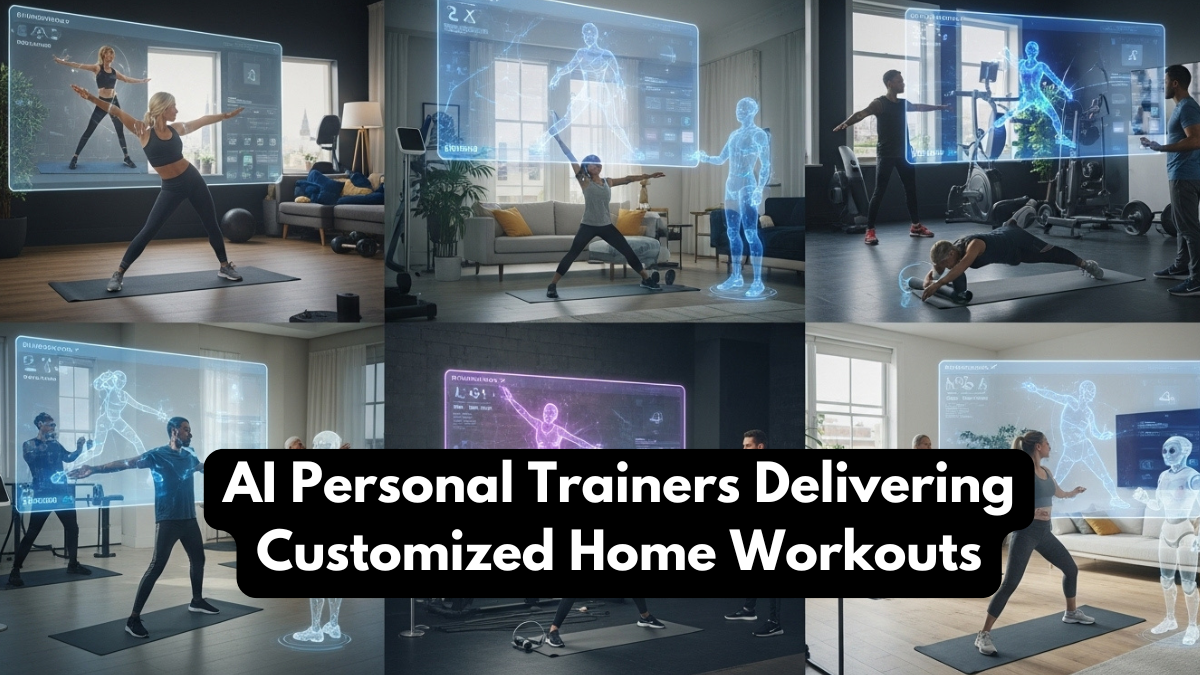
How AI Personal Trainers Use Workout AI for Customization
At the core of AI personal trainers lies advanced workout AI technology that processes user data to create customized fitness plans. These systems collect information such as age, weight, fitness level, movement patterns, and health goals. Some platforms integrate with wearable devices to track heart rate, calories burned, and recovery metrics, allowing the AI to adjust workouts dynamically.
Workout AI enables real-time corrections by analyzing posture, movement accuracy, and performance. Through smartphone cameras or smart sensors, AI personal trainers can detect improper form and suggest adjustments to reduce injury risk. This level of personalization was once only available through in-person coaching, but smart fitness technology has made it accessible to a global audience.
Role of Smart Fitness Technology in AI-Driven Training
The expansion of AI personal trainers is closely tied to advancements in smart fitness technology. Smart fitness platforms combine AI software with connected devices such as wearables, smart mirrors, and fitness apps. These tools create immersive workout experiences that respond to user behavior and preferences.
Key features enabled by smart fitness systems include:
- Adaptive workout plans based on progress
- Real-time performance tracking
- Personalized recovery and rest recommendations
- Goal-based training programs
- Virtual coaching and motivation support
By integrating workout AI into smart fitness ecosystems, users receive a holistic approach to health and exercise. This integration ensures consistency, accountability, and long-term engagement, making fitness more sustainable and enjoyable.
Benefits of AI Personal Trainers for Home Workouts
The advantages of AI personal trainers extend beyond convenience. These systems empower users to take control of their fitness journeys with guidance that adapts as they improve. Personalized programs help maintain motivation by preventing plateaus and reducing boredom, common challenges in traditional workout routines.
The table below compares traditional fitness training with AI-powered alternatives:
| Fitness Aspect | Traditional Training | AI Personal Trainers |
|---|---|---|
| Personalization | Limited | Highly customized |
| Accessibility | Location-dependent | Anytime, anywhere |
| Cost | Often expensive | More affordable |
| Feedback | Periodic | Continuous and real-time |
These benefits explain why AI personal trainers are becoming a preferred choice for individuals seeking effective home workouts. Smart fitness solutions provide professional-level support while fitting seamlessly into modern lifestyles.
Challenges and Limitations of AI Personal Trainers
Despite their advantages, AI personal trainers face challenges that impact adoption and effectiveness. Not all users are comfortable relying solely on technology for fitness guidance, especially beginners who may prefer human interaction. Additionally, accurate motion tracking requires proper device setup and lighting, which can affect performance analysis.
Another concern involves data privacy, as workout AI systems collect sensitive health and fitness data. Ensuring secure data handling and transparent usage policies is essential for maintaining user trust. As smart fitness platforms continue to evolve, addressing these challenges will be critical for broader acceptance and long-term success.
Conclusion
As home fitness continues to grow, AI personal trainers are playing a transformative role in making exercise more personalized, accessible, and effective. By leveraging workout AI and smart fitness technology, these systems deliver customized training experiences that adapt to individual needs and goals. In 2026 and beyond, AI-driven fitness solutions will continue to bridge the gap between professional coaching and everyday wellness, empowering people to stay active, healthy, and motivated on their own terms.
FAQ
What are AI personal trainers?
AI personal trainers are digital fitness systems that use artificial intelligence to create and adapt personalized workout plans.
How does workout AI improve training results?
Workout AI analyzes performance data and adjusts exercises in real time, helping users train more effectively and safely.
Are AI personal trainers suitable for beginners?
Yes, many platforms offer beginner-friendly programs with guided instructions and gradual progression.
What role does smart fitness play in AI training?
Smart fitness integrates devices and software to track performance, provide feedback, and personalize workouts.
Can AI personal trainers replace human trainers?
They may not fully replace human trainers, but they offer a flexible and affordable alternative for many fitness goals.
Click here to know more.