As societies become increasingly digital, identity is no longer confined to government-issued documents or physical credentials. Digital civic identity is emerging as a broader framework that enables individuals to prove who they are, engage with services, and participate in civic life across digital environments. While originally designed for public sector use, digital civic identity is now expanding into private and semi-public spaces such as community platforms, civic networks, and participatory systems. By enabling secure verification and meaningful participation, this evolution is reshaping how citizens interact with institutions and each other. The shift reflects a growing demand for trusted digital identities that function seamlessly beyond traditional government services.
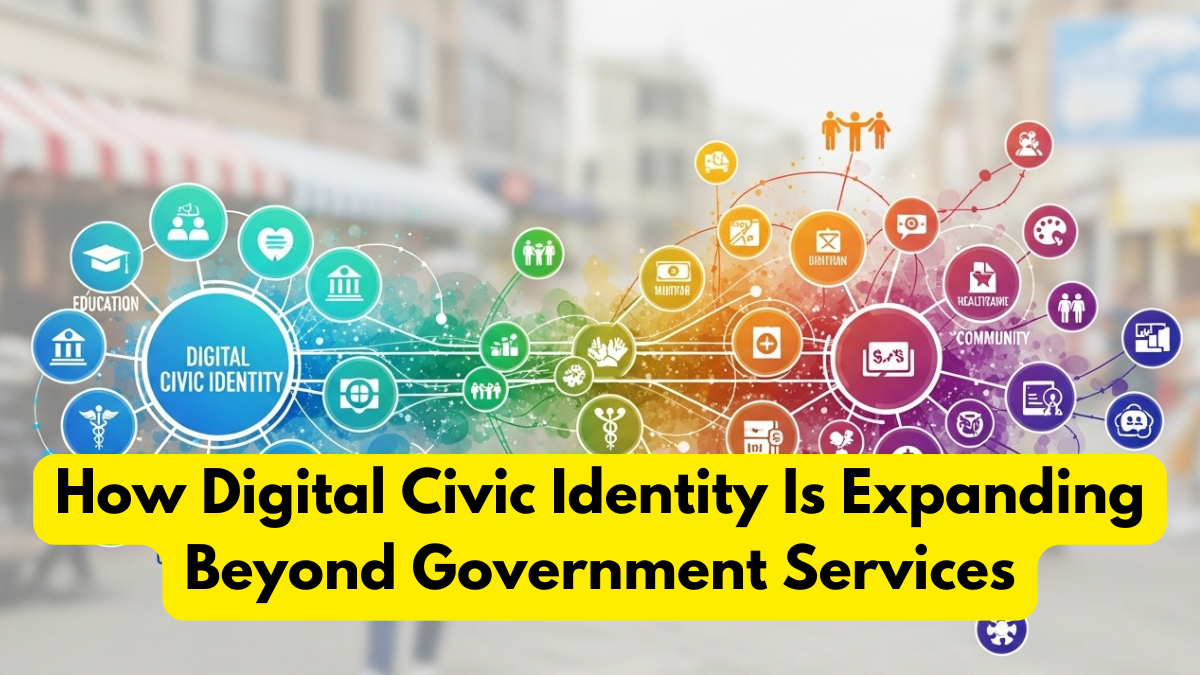
From Government IDs to Community Platforms
Historically, digital civic identity initiatives focused on streamlining access to government portals, tax systems, and social services. Today, the same identity frameworks are being adopted by community platforms that support local engagement, volunteering, and neighborhood coordination. These platforms rely on verified identities to foster trust while protecting privacy. By integrating digital civic identity, community platforms can ensure that participants are real, eligible, and accountable without exposing unnecessary personal data. This expansion supports more inclusive participation, enabling residents to engage confidently in digital civic spaces that mirror real-world communities.
Verification as the Foundation of Digital Trust
Robust verification is central to the success of digital civic identity systems. Without reliable verification, digital participation risks manipulation, fraud, and misinformation. Modern identity frameworks use cryptographic methods, decentralized identifiers, and selective disclosure to confirm authenticity while preserving user control. This approach strengthens trust across community platforms, ensuring that votes, feedback, and civic actions are tied to legitimate individuals. By making verification seamless and secure, digital civic identity lowers barriers to participation while maintaining integrity across digital civic ecosystems.
The table below highlights how digital civic identity is evolving beyond traditional government use:
| Dimension | Government-Centered Identity | Expanded Digital Civic Identity |
|---|---|---|
| Primary Use | Access to public services | Engagement on community platforms |
| Verification Method | Centralized databases | Decentralized and user-controlled |
| Participation Scope | Limited to administration | Broader civic participation |
| Trust Model | Institution-based | Shared digital trust |
Expanding Participation Through Digital Identity
One of the most transformative aspects of digital civic identity is its ability to broaden participation. Digital town halls, participatory budgeting, and community decision-making tools all benefit from verified identities. When individuals know that interactions are authentic, engagement increases and discussions become more constructive. Community platforms powered by digital civic identity can support inclusive participation across age groups, abilities, and locations. By lowering logistical barriers and reinforcing verification, digital identity systems empower more citizens to take part in civic processes that were once limited to physical attendance.
Why Organizations Are Adopting Digital Civic Identity
Beyond governments, nonprofits, educational institutions, and local organizations are adopting digital civic identity to improve engagement and accountability. These organizations rely on trusted verification to manage memberships, allocate resources, and facilitate democratic processes. As community platforms grow in scale and influence, identity assurance becomes essential for sustainable growth. By enabling secure participation, digital civic identity helps organizations build trust, reduce fraud, and foster long-term civic engagement. This adoption signals a shift toward identity as shared digital infrastructure rather than a purely governmental function.
Conclusion: The Future of Digital Civic Identity
The expansion of digital civic identity beyond government services marks a new chapter in digital citizenship. By supporting secure verification, enabling meaningful participation, and strengthening community platforms, digital identity systems are redefining how civic life operates online. As trust, inclusion, and engagement become priorities in digital spaces, digital civic identity offers a scalable solution that balances security with empowerment. Its continued evolution will play a vital role in shaping participatory, resilient, and connected societies in the digital age.
FAQs
What is digital civic identity?
Digital civic identity is a secure digital framework that allows individuals to verify their identity and engage in civic activities online.
How does digital civic identity support community platforms?
It provides trusted verification, enabling safe and accountable interactions on community platforms.
Why is verification important in digital civic systems?
Verification ensures authenticity, reduces fraud, and builds trust in digital civic participation.
Can digital civic identity increase participation?
Yes, it lowers barriers and enables broader participation in civic processes and community engagement.
Is digital civic identity controlled only by governments?
No, it is increasingly used by communities, nonprofits, and organizations beyond government services.
Click here to know more.