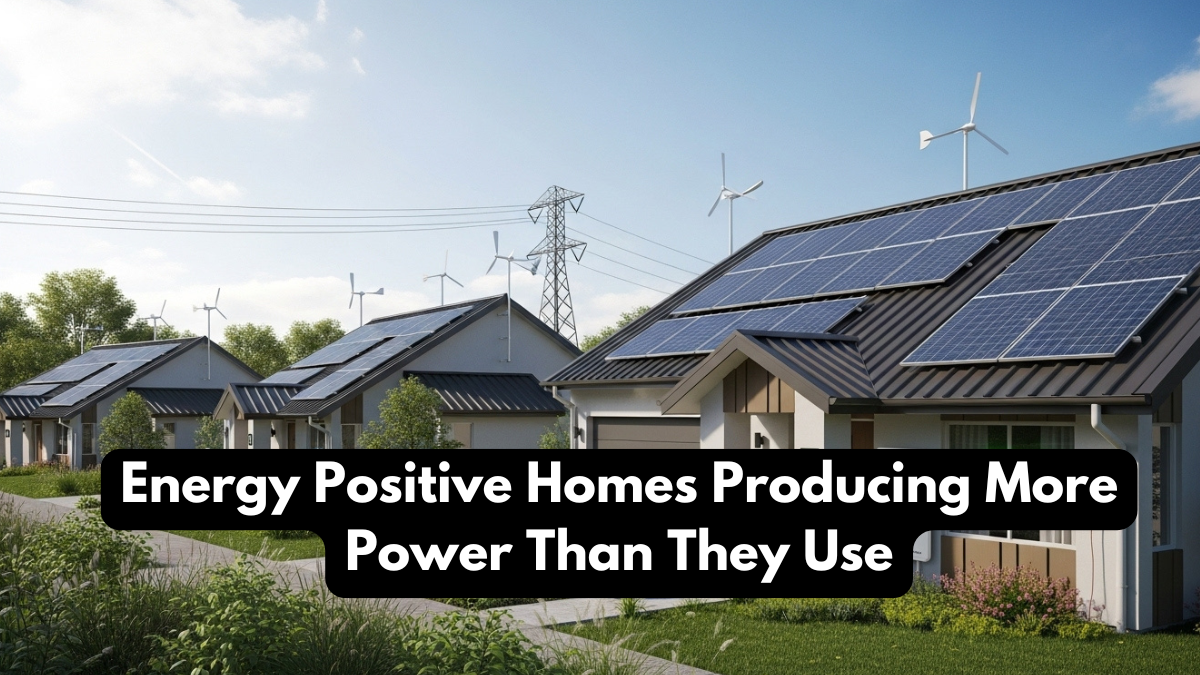
Energy positive homes are emerging as a powerful solution to rising energy costs, climate change, and housing sustainability challenges in 2026. Unlike traditional houses that consume more energy than they generate, energy positive homes are designed to produce surplus power that can be stored, shared, or sold back to the grid. This approach represents a major evolution in green housing, where homes are no longer passive consumers of energy but active contributors to clean power systems. By achieving net positive energy, these homes align environmental responsibility with long-term financial savings, making sustainability both practical and desirable.
What Are Energy Positive Homes and How Do They Work?
Energy positive homes are residential buildings that generate more energy annually than they consume. This is achieved through a combination of high-efficiency design, renewable energy systems, and intelligent energy management. Solar panels, advanced insulation, energy-efficient appliances, and smart monitoring systems all play a role. The concept of net positive energy goes beyond energy neutrality by ensuring excess production even during high-demand periods. As a result, green housing developments increasingly adopt this model to reduce dependence on fossil fuels while enhancing resilience and self-sufficiency.
Net Positive Energy and the Role of Renewable Technologies
Achieving net positive energy requires integrating renewable technologies seamlessly into home design. Solar photovoltaic systems remain the most common solution, often paired with battery storage to manage energy availability. Some energy positive homes also incorporate wind micro-turbines, geothermal systems, and heat pumps. These technologies allow homes to maintain consistent power generation throughout the year. In the context of green housing, renewable integration not only reduces emissions but also stabilizes energy costs, making net positive energy an attractive long-term investment for homeowners.
Benefits of Energy Positive Homes for Homeowners and Communities
The advantages of energy positive homes extend beyond individual households. Homeowners benefit from lower utility bills, increased property value, and protection against energy price volatility. Communities benefit as surplus energy supports local grids and reduces strain during peak demand. Green housing projects based on net positive principles also contribute to cleaner air and reduced carbon footprints. As net positive energy adoption grows, neighborhoods can evolve into decentralized energy hubs that support regional sustainability goals.
Key Features That Enable Energy Positive Homes
The table below highlights the core features that define energy positive homes in 2026:
| Feature | Description | Sustainability Impact |
|---|---|---|
| Solar Power Systems | Rooftop or integrated solar panels | Enables net positive energy generation |
| High-Performance Insulation | Minimizes heat loss and gain | Reduces overall energy demand |
| Smart Energy Management | Monitors and optimizes usage | Improves efficiency in green housing |
| Battery Storage | Stores surplus energy | Enhances energy independence |
| Efficient Appliances | Low-consumption household systems | Supports energy positive homes |
These features work together to ensure energy positive homes consistently achieve net positive energy within modern green housing standards.
Challenges, Costs, and Policy Support
Despite clear benefits, energy positive homes face challenges related to upfront costs, technical complexity, and regulatory frameworks. Advanced construction materials and renewable systems can increase initial investment, although long-term savings often offset these costs. Policy incentives, tax credits, and building code updates are helping accelerate adoption. Governments promoting green housing increasingly recognize net positive energy homes as a critical part of climate strategies. As technology becomes more affordable, barriers to entry are expected to decline rapidly.
The Future of Green Housing and Energy Positive Living
Looking ahead, energy positive homes are expected to become a standard rather than an exception. Advances in materials science, energy storage, and AI-driven home automation will further optimize net positive energy performance. Urban planners and developers are integrating green housing principles into entire communities, creating resilient, low-carbon living environments. In 2026 and beyond, energy positive living represents a shift toward homes that actively support environmental and economic sustainability.
Conclusion: Building Homes That Give Back
Energy positive homes are redefining what sustainable living looks like by producing more power than they consume. Through energy positive homes, homeowners embrace net positive energy while contributing to the growth of green housing ecosystems. As adoption increases, these homes will play a vital role in reducing emissions, strengthening energy resilience, and shaping a cleaner, smarter future for housing.
FAQs
What are energy positive homes?
Energy positive homes are houses that generate more energy annually than they consume through renewable systems and efficient design.
How is net positive energy different from net zero?
Net positive energy means a home produces surplus energy beyond its own needs, while net zero only balances consumption and production.
Are energy positive homes expensive to build?
Initial costs may be higher, but long-term savings and incentives often make energy positive homes financially viable.
How do energy positive homes support green housing?
They reduce emissions, lower energy demand, and contribute clean power to local grids, strengthening green housing initiatives.
Can existing homes become energy positive?
Yes, with upgrades like solar panels, insulation improvements, and smart systems, existing homes can transition toward net positive energy.
Click here to know more.