In an age dominated by digital screens, audiobooks, and instant information, something beautifully traditional is making a powerful return—home libraries. Once seen as an old-fashioned luxury reserved for scholars and elites, personal home libraries are now re-emerging as a modern status symbol rooted in intellect, mindfulness, and intentional living. At the same time, global interest in reading culture is rising again as people search for deeper focus, emotional grounding, and slower forms of entertainment. A home library is no longer just a storage space for books; it has become a reflection of identity, curiosity, discipline, and emotional depth. This comeback signals a cultural shift where knowledge, introspection, and meaningful leisure are regaining their place in modern homes.
Why Home Libraries Are Becoming Popular Again
The renewed popularity of home libraries is closely tied to digital fatigue. As people spend endless hours scrolling through social media and consuming short-form content, many are beginning to feel mentally scattered and emotionally drained. This overstimulation has created a powerful desire for quiet spaces, deep thinking, and uninterrupted focus. Building a home library offers exactly that—a sanctuary of calm and intellectual presence. It is here that reading culture begins to thrive again in its purest form.
Another major factor driving this comeback is the shift toward intentional living. People are becoming more selective about what they consume, how they spend their time, and what they surround themselves with. Home libraries symbolize depth over distraction. They reflect a household that values thought, imagination, history, and learning. In today’s world, where luxury is often associated with gadgets and excess, the presence of a thoughtfully curated bookshelf sends a different message—one of mental wealth rather than material excess. This is why home libraries are now being seen as a refined status symbol within the evolving landscape of reading culture.
The Psychological and Emotional Impact of Home Libraries
The emotional power of home libraries goes far beyond aesthetics. Books trigger the brain differently than digital content. The act of opening a physical book, turning pages, and absorbing text at a natural pace promotes deep concentration, emotional regulation, and cognitive endurance. These benefits directly strengthen reading culture, especially among younger generations growing up in screen-saturated environments.
A visible home library also creates a constant psychological invitation to read. When books are openly displayed rather than hidden in storage, they become part of daily visual life. This subtle exposure encourages spontaneous reading habits and nurtures long-term curiosity. Homes with visible shelves of books often cultivate stronger family reading traditions, discussions about ideas, and emotional intelligence. Children raised around home libraries tend to associate learning with comfort rather than pressure, which deeply strengthens intergenerational reading culture.
Here is a simple comparison between digital reading habits and physical home libraries:
| Feature | Digital Reading Devices | Home Libraries |
|---|---|---|
| Distraction level | High | Very low |
| Emotional connection | Moderate | Strong |
| Long-term memory retention | Moderate | High |
| Visual inspiration | Limited | Constant |
| Impact on reading culture | Inconsistent | Strong and sustained |
This table clearly shows why home libraries play such a powerful role in restoring deep, consistent reading culture in modern households.
Home Libraries as a Modern Status Symbol
Unlike traditional luxury items that showcase wealth through brand value, home libraries represent a different form of status—intellectual, emotional, and cultural wealth. A well-curated collection of books reflects a person’s interests, values, worldview, and lifelong learning journey. In high-end interior design today, home libraries are often placed at the center of living spaces, offices, stairways, and even bedrooms. They now hold as much prestige as art collections or designer furniture.
This shift is deeply connected to the revival of reading culture among professionals, entrepreneurs, creatives, and thinkers. In many circles, being well-read has become a social identity marker. Displaying one’s book collection is no longer seen as pretentious—it is seen as authentic self-expression. Home libraries have become visual autobiographies that silently communicate who a person is, what they value, and how they think.
Social media has further accelerated this trend. Aesthetic bookshelf designs, reading nooks, and personal libraries are frequently shared as lifestyle inspiration. This visibility normalizes books as a lifestyle element rather than just an academic tool. As a result, reading culture is slowly being repositioned as a desirable, aspirational way of life rather than a niche habit.
The Role of Home Libraries in Strengthening Reading Culture
At its core, the comeback of home libraries is revitalizing reading culture itself. Public libraries remain important, but personal libraries create daily access without barriers. They eliminate excuses related to time, distance, or availability. When books are always within reach, reading becomes a natural part of routine rather than a scheduled activity.
Home libraries also support diverse reading habits. Some collections focus on literature, while others emphasize self-development, history, philosophy, business, psychology, or spirituality. This diversity allows people to explore multiple dimensions of thought within one space. Reading culture flourishes when reading becomes a lifestyle rather than a task. And home libraries make that lifestyle visually present and emotionally accessible every day.
They also revive shared reading experiences. Family reading hours, book discussions, and collective learning become more common in homes where books are physically present. Instead of isolated digital consumption, reading becomes a communal intellectual activity. This strengthens emotional bonds while nurturing shared curiosity, which is exactly what healthy reading culture requires.
How Home Libraries Influence Interior Design and Lifestyle
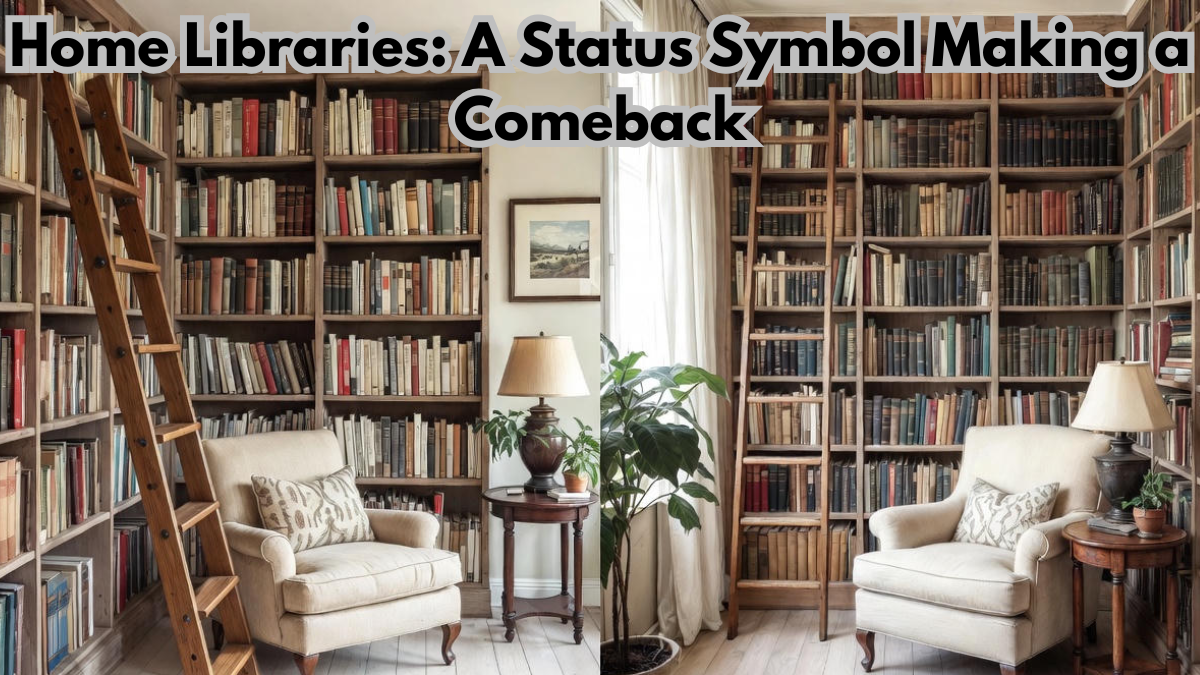
Modern interior design is increasingly incorporating home libraries as central lifestyle elements rather than optional accessories. Open shelving, built-in bookcases, ladder shelves, and reading corners are now featured in architectural planning. Designers often combine soft lighting, natural wood textures, comfortable seating, and greenery to create emotionally inviting reading environments.
This design evolution also reflects the emotional shift toward slower, more reflective living. Homes are no longer just productivity zones—they are becoming spaces for introspection, creativity, and emotional balance. Home libraries anchor this transformation. They encourage slower rhythms of life and deeper engagement with ideas. As reading culture becomes intertwined with home identity, relaxation itself is being redefined as intellectual nourishment rather than sensory overload.
The Economic and Educational Value of Home Libraries
Beyond emotional and cultural impact, home libraries carry long-term educational and economic value. A strong reading habit supported by a personal library improves vocabulary, communication skills, analytical thinking, and emotional intelligence. These qualities significantly enhance academic performance and professional growth. Over time, this intellectual capital often outweighs the cost of building the library itself.
From a financial perspective, books are one of the most affordable long-term investments in mental growth. Unlike gadgets that quickly become outdated, books remain relevant across generations. Reading culture built through home libraries strengthens lifelong learning, adaptability, and problem-solving—all of which are essential in an ever-changing professional world.
Challenges in Building a Home Library and How to Overcome Them
Despite their rising popularity, some people hesitate to create home libraries due to space constraints, budget concerns, or lack of reading consistency. However, modern solutions have made home libraries accessible even in small apartments. Vertical shelving, wall-mounted book racks, under-stair storage, and digital-physical hybrid collections allow people to start small and grow gradually.
The key to sustaining reading culture through a home library is not the number of books, but the relationship with them. Even a shelf of twenty meaningful books can become a powerful reading anchor when used mindfully. As reading becomes routine, collections naturally expand over time without pressure.
The Future of Home Libraries and Reading Culture
The future of home libraries looks stronger than ever. As artificial intelligence, automation, and digital saturation increase, the human desire for slow thinking and deep reflection will only intensify. Reading culture will continue evolving, but its core will remain rooted in physical engagement with books. Hybrid libraries that combine physical books with digital reading tools may become common, but the emotional importance of seeing, touching, and living with books will not fade.
Educational systems, wellness movements, and mental health advocates increasingly support reading as a form of therapy, mindfulness, and cognitive strengthening. In this context, home libraries will not just be design statements—they will be emotional infrastructure for future generations.
Conclusion
The return of home libraries as a modern status symbol reflects a powerful cultural transformation. In a world overwhelmed by speed and noise, books represent stillness, depth, and meaning. As reading culture gains renewed momentum, personal libraries are becoming emotional, intellectual, and aesthetic anchors of modern homes. They strengthen focus, nurture curiosity, preserve identity, and support lifelong learning. More than shelves of books, home libraries are becoming quiet declarations of who we are and who we aspire to become.
FAQs
What is a home library
A home library is a dedicated personal space or collection within a home where books are stored, displayed, and regularly used for reading and learning.
Why are home libraries becoming popular again
Home libraries are gaining popularity due to the revival of reading culture, digital fatigue, and the desire for deeper intellectual and emotional engagement.
Do home libraries really improve reading habits
Yes, visible access to books encourages consistent reading and strengthens long-term reading culture in both adults and children.
Can home libraries exist in small apartments
Yes, home libraries can be created using vertical shelves, wall-mounted racks, and compact reading corners even in limited spaces.
Are home libraries considered a modern status symbol
Yes, today home libraries symbolize intellectual wealth, emotional depth, and intentional living rather than material luxury.
Click here to know more.