The concept of smart cities is redefining how urban environments function and how people experience daily life. As global urban populations grow, traditional city systems struggle to keep up with demands for housing, transportation, energy, and public services. Smart cities address these challenges by integrating urban technology with data-driven decision-making to improve efficiency and quality of life. This transformation marks a new era in modern city planning, where technology and sustainability work together.
Governments and private sectors worldwide are investing heavily in smart cities to create more connected, resilient, and livable urban spaces. From intelligent traffic systems to energy-efficient buildings, digital infrastructure plays a central role in enabling real-time responses to urban challenges. As cities evolve, smart cities are no longer experimental concepts but practical solutions shaping the future of urban living.
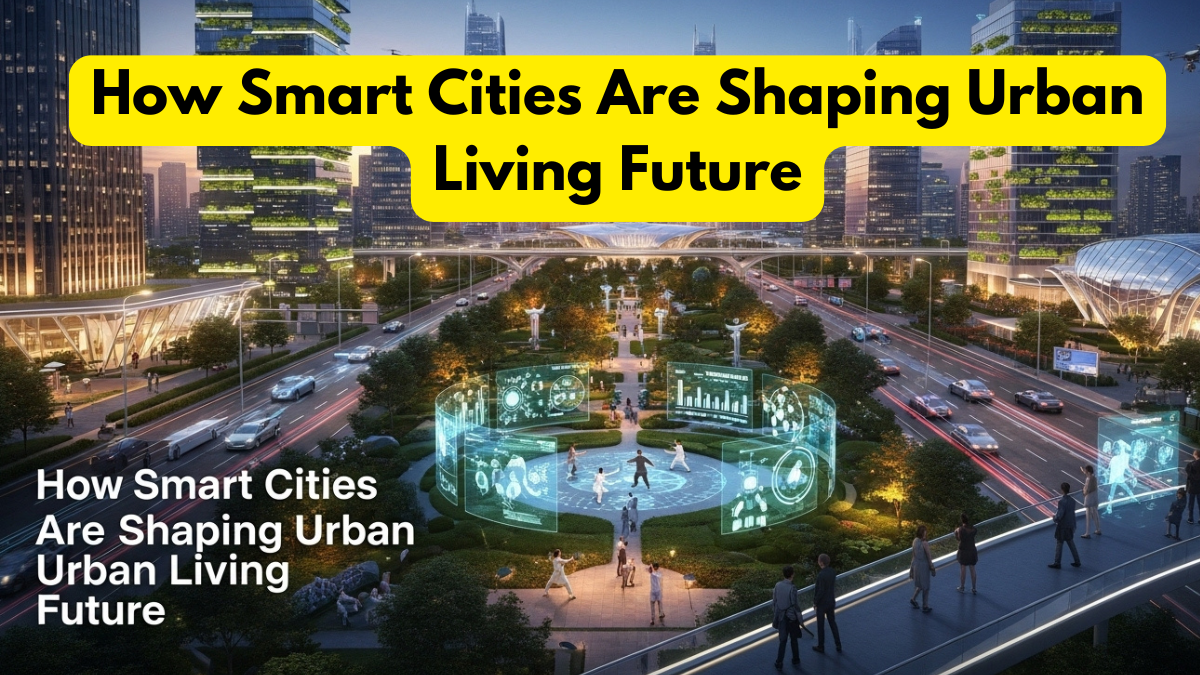
Role of Urban Technology in Smart Cities
Urban technology is the backbone of smart cities, enabling seamless integration of systems and services. Technologies such as sensors, Internet of Things devices, and data analytics allow cities to monitor and manage resources efficiently. Through urban technology, city administrators can optimize traffic flow, reduce energy consumption, and enhance public safety. This technological layer transforms traditional cities into responsive and adaptive environments.
The use of urban technology also improves citizen engagement. Mobile apps, smart kiosks, and digital platforms allow residents to access services, report issues, and participate in governance. As smart cities expand, urban technology becomes essential in fostering transparency and collaboration, reinforcing innovative city planning approaches that prioritize people-centric solutions.
Importance of Digital Infrastructure in Urban Development
Robust digital infrastructure is critical to the success of smart cities. High-speed connectivity, cloud computing, and secure data networks enable real-time communication between systems. Without reliable digital infrastructure, advanced urban technology cannot function effectively. Cities investing in strong digital foundations are better equipped to support smart transportation, utilities, and public services.
In smart cities, digital infrastructure supports scalability and resilience. As urban populations grow, digital systems can adapt without extensive physical expansion. This flexibility enhances city planning by reducing costs and environmental impact. By prioritizing digital infrastructure, cities lay the groundwork for sustainable innovation and long-term growth.
City Planning Strategies Driving Smart Cities
Modern city planning has shifted from static designs to dynamic, data-informed strategies. In smart cities, planners use real-time data to understand population movement, resource usage, and environmental conditions. This insight allows for proactive planning rather than reactive solutions. City planning in smart environments focuses on adaptability, inclusivity, and sustainability.
Integrated city planning ensures that urban technology and digital infrastructure align with social and environmental goals. For example, smart zoning and green spaces improve air quality and livability. As smart cities continue to evolve, strategic city planning becomes essential in balancing technological advancement with human needs.
Economic and Social Benefits of Smart Cities
The rise of smart cities delivers significant economic and social benefits. Efficient transportation systems reduce commute times, while smart energy grids lower operational costs. These improvements enhance productivity and attract investment. By leveraging urban technology, cities can stimulate innovation ecosystems and create new employment opportunities.
Socially, smart cities improve access to services and enhance safety and inclusivity. Digital infrastructure enables better healthcare delivery, education access, and emergency response. Below is a table illustrating key benefits of smart cities:
| Area | Traditional Cities | Smart Cities |
|---|---|---|
| Transportation | Congestion-prone | Optimized via urban technology |
| Energy Management | Inefficient usage | Smart grids and monitoring |
| Public Services | Manual processes | Digital infrastructure enabled |
| City Planning | Static models | Data-driven city planning |
| Quality of Life | Variable | Consistently improved |
This comparison highlights how smart cities create measurable improvements in urban living.
Conclusion
The evolution of smart cities represents a transformative shift in how urban environments are designed and managed. Through advanced urban technology, resilient digital infrastructure, and forward-thinking city planning, cities are becoming more efficient, sustainable, and livable. As urban challenges continue to grow, smart cities will play a vital role in shaping a future where technology enhances everyday life and supports long-term urban prosperity.
FAQs
What are smart cities?
Smart cities use technology and data to improve urban services, sustainability, and quality of life.
How does urban technology support smart cities?
Urban technology enables real-time monitoring and optimization of transportation, energy, and public services.
Why is digital infrastructure important for smart cities?
Digital infrastructure provides the connectivity and data systems needed for smart city technologies to function effectively.
How does city planning change in smart cities?
City planning becomes data-driven and adaptive, focusing on sustainability, efficiency, and citizen well-being.
Click here to know more.