The rise of the co-working spaces growth trend has transformed how professionals, startups, and even large companies think about office environments. Traditional office models with long-term leases and fixed workspaces are no longer the only option for businesses. Today, flexible work arrangements and hybrid job models are creating strong demand for shared offices that offer convenience, collaboration, and cost efficiency. This major workspace evolution is reshaping the future of professional environments across India.
A few years ago, co-working spaces were mainly associated with freelancers and small startups looking for affordable office solutions. Now, the co-working spaces growth trend includes remote teams, corporate branches, consultants, creators, and even enterprise companies using flexible office setups. As work culture changes, businesses are prioritizing adaptability over ownership. This shift clearly reflects a broader workspace evolution that supports productivity without the traditional burden of maintaining large permanent offices.
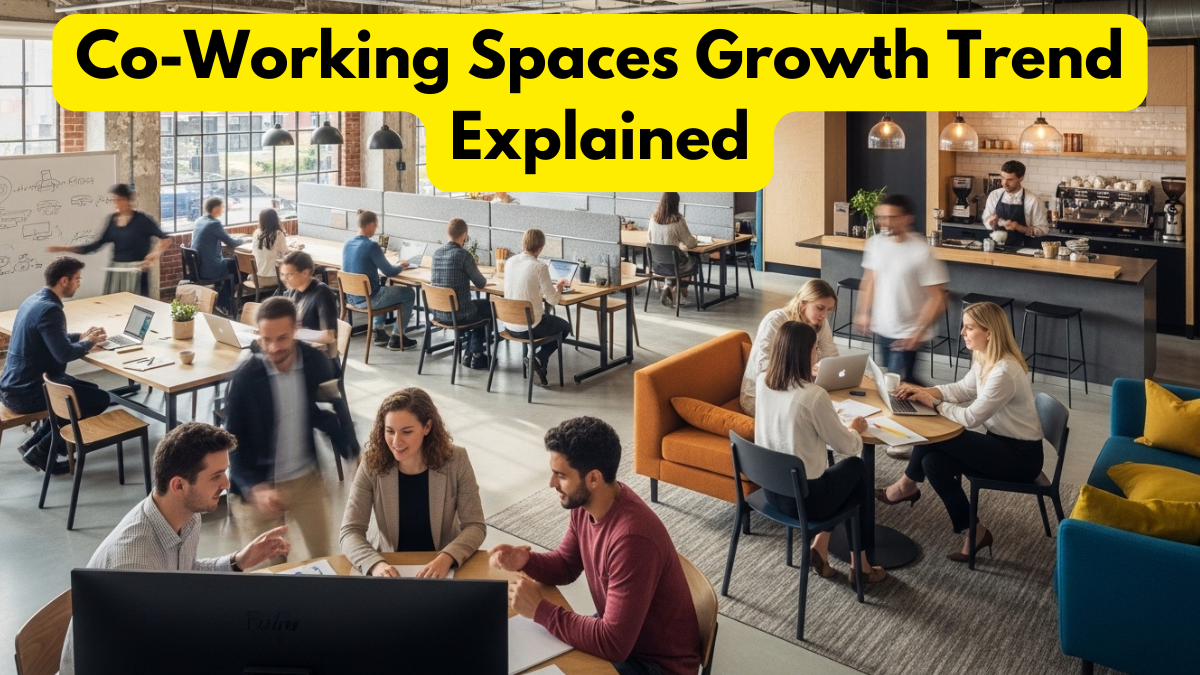
Why Co-Working Spaces Growth Trend Is Expanding Rapidly
The biggest reason behind the co-working spaces growth trend is flexibility. Businesses today want office solutions that can grow or shrink depending on team size and project requirements. Long-term office leases often create financial pressure, especially for startups and small businesses. Shared offices solve this issue by offering ready-to-use workspaces without large upfront investment, making them highly attractive.
Another major reason is the rise of hybrid and remote work models. Many companies no longer require full-time office attendance but still need professional meeting spaces and collaboration zones. This ongoing workspace evolution makes co-working spaces practical because they support both occasional office visits and regular team operations. As a result, the co-working spaces growth trend is becoming a central part of modern business planning.
How Shared Offices Are Changing Work Habits
The growth of shared offices is changing how people define productivity and professional routines. Employees and entrepreneurs are moving away from isolated work setups and choosing flexible environments that support networking and collaboration.
Some major changes include:
- Startups avoiding expensive traditional office rentals
- Freelancers choosing professional workspaces over home offices
- Companies using flexible desks instead of fixed seating
- Higher demand for meeting rooms and collaborative zones
- Networking opportunities between professionals from different industries
- Reduced daily travel through location-based flexible office access
These patterns show how the co-working spaces growth trend is directly connected to changing work culture. The broader workspace evolution is creating more adaptable and people-focused professional environments.
Comparison Between Traditional Offices and Co-Working Spaces
The benefits of the co-working spaces growth trend become clearer when compared with older office models.
| Aspect | Traditional Office | Co-Working Space |
|---|---|---|
| Lease Commitment | Long-term contracts | Flexible short-term plans |
| Setup Cost | High furniture and infrastructure cost | Ready-to-use workspace |
| Team Flexibility | Fixed capacity | Easy expansion or reduction |
| Networking | Limited to internal teams | Multi-industry collaboration |
| Maintenance Responsibility | Managed by company | Managed by provider |
| Work Environment | Private and fixed | Shared and dynamic |
This table explains why shared offices are becoming more attractive for modern businesses. The larger workspace evolution supports flexibility and lower operational stress.
Impact on Startups and Corporate Work Culture
The co-working spaces growth trend has had a major impact on startup culture. New businesses often prioritize speed and budget efficiency, and co-working spaces allow them to start operations quickly without major infrastructure investment. This helps founders focus more on growth and less on office management.
Large companies are also adapting. Many corporations now use shared offices for satellite teams, temporary projects, and regional branches. This reduces fixed costs while supporting employee flexibility. The ongoing workspace evolution is helping companies rethink office design and employee engagement strategies.
In addition, co-working spaces often offer workshops, networking events, and community programs that improve collaboration. This creates stronger professional ecosystems and supports innovation across industries.
Challenges in the Co-Working Spaces Model
Despite the strong co-working spaces growth trend, there are also practical challenges. Privacy can be a concern for companies handling sensitive information because shared offices involve open environments and common facilities.
Noise and limited personalization may also affect productivity for some professionals who prefer quiet, fixed workspaces. Businesses with large teams or specialized infrastructure needs may still require traditional offices despite the broader workspace evolution.
Pricing is another important factor. Premium co-working spaces in metro cities can become expensive over time, especially for teams needing dedicated cabins. Companies must carefully balance convenience with long-term financial planning when choosing the right office model.
Conclusion
The co-working spaces growth trend reflects how work culture is becoming more flexible, collaborative, and efficiency-driven. Growing demand for shared offices shows that businesses now value adaptability, convenience, and smarter cost management over traditional office ownership. This ongoing workspace evolution is changing how professionals work, connect, and grow across India.
While co-working spaces may not replace every traditional office, they have become a powerful part of the modern business ecosystem. The future of work will likely depend on hybrid models that combine flexibility with productivity, making co-working spaces an important part of long-term professional infrastructure.
FAQs
What does co-working spaces growth trend mean?
The co-working spaces growth trend refers to the increasing demand for flexible office environments where multiple professionals and businesses share workspace facilities instead of maintaining traditional private offices.
Why are shared offices becoming popular?
Shared offices are becoming popular because they offer flexibility, lower setup costs, ready-to-use infrastructure, and networking opportunities for startups, freelancers, and companies.
How does workspace evolution affect office choices?
The ongoing workspace evolution supports hybrid work, remote teams, and flexible business operations, making co-working spaces a practical alternative to long-term office leases.
Are co-working spaces suitable for large companies?
Yes, many large companies use shared offices for regional teams, project-based operations, and flexible work arrangements while reducing fixed infrastructure costs.
Click here to know more.